

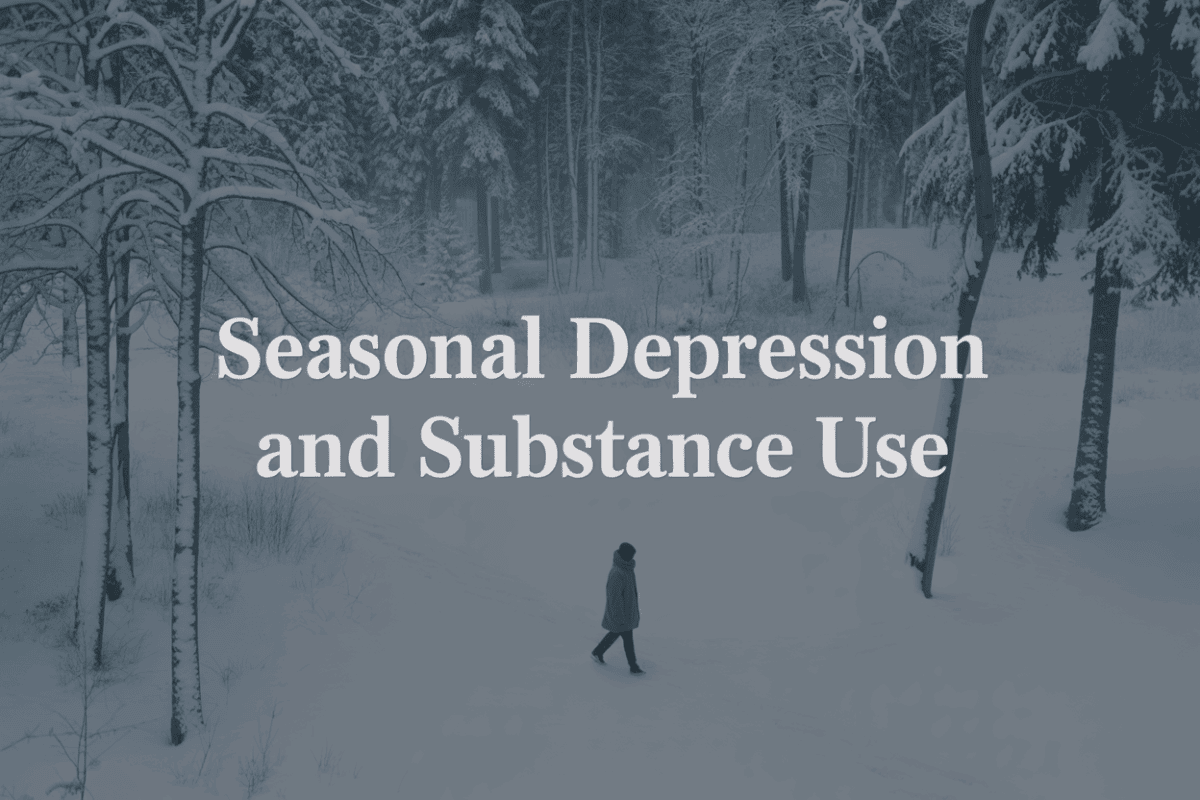
Winter can change more than the weather. For many adults, the season brings a noticeable shift in mood, energy, and emotional stability. Seasonal depression is common, and when it combines with the stress of the holidays, it can significantly increase substance use patterns.
If you have felt more down, isolated, or emotionally overwhelmed this time of year, you are not imagining it. Seasonal depression has well documented effects on the brain, including increased cravings and reduced resilience when managing urges. This combination creates a dangerous environment for escalation.
Understanding why this happens can help you make informed decisions, including whether detox may be the safest next step.
What Seasonal Depression Actually Is
Seasonal depression, often called Seasonal Affective Disorder (SAD), is more than feeling “winter blues.” It is a physiological and psychological response to reduced daylight, colder temperatures, and disrupted routines.
Common symptoms include:
• Persistent low mood
• Difficulty waking up
• Low motivation
• Fatigue or sluggishness
• Increased appetite or cravings
• Social withdrawal
• Heightened anxiety
• Difficulty concentrating
These symptoms make coping harder and substance use more appealing, especially when combined with holiday stress.
Why Seasonal Depression Increases Substance Use
1. The brain produces less natural dopamine and serotonin.
Reduced daylight impacts neurotransmitters responsible for motivation and emotional balance. Alcohol and drugs temporarily increase these chemicals, creating a short-lived sense of relief.
2. Cravings become stronger when mood drops.
Low mood disrupts the brain’s reward system. This makes urges feel more intense and harder to resist.
3. People isolate more during winter.
Isolation is one of the strongest predictors of substance escalation. Fewer social interactions often mean more time alone with cravings.
4. Sleep disruption increases vulnerability.
Seasonal depression often disturbs sleep patterns. Fatigue makes it harder to regulate emotions or withstand cravings.
5. The holidays magnify emotional imbalance.
Expectations for joy and connection collide with the reality of depression, leading some adults to use substances to cope with the internal conflict.
Signs Seasonal Depression Is Affecting Your Substance Use
You might notice:
• Drinking or using to “boost” mood or energy
• Using earlier in the day than usual
• Feeling anxious when substances are not available
• Increasing the amount needed to feel the same effect
• Struggling to stop once you start
• Bashfulness, shame, or guilt around your use
• Withdrawal symptoms between uses
If these patterns have intensified this winter, your mental health and substance use may be working against each other.
When Seasonal Depression and Substance Use Become a Dangerous Combination
The overlap of these conditions can create a spiral:
- Mood drops
• Substance use increases
• Brain chemistry destabilizes
• Withdrawal symptoms appear
• Mood drops further
Without intervention, this cycle becomes unsafe quickly, especially during the holiday season.
Detox can interrupt this cycle before it accelerates.
Learn more about our stabilization process here:
Medical Detox Program
How Detox Helps Stabilize Both Mood and Substance Use
Detox is often the most effective first step because it provides stabilization on multiple levels.
1. Medical regulation of withdrawal symptoms
Physicians and nurses monitor vital signs, sleep patterns, and emotional distress, offering medications to safely manage symptoms.
2. Support for emotional overwhelm
Seasonal depression often intensifies fear, shame, and hopelessness. Trained staff help you process these emotions instead of facing them alone.
3. Consistent routine and rest
Structured days reduce anxiety and help reset your internal rhythm, which is essential for regulating mood.
4. Removal from triggering environments
Winter isolation, alcohol-centered gatherings, and high stress situations can all worsen symptoms. Detox provides a safe break.
5. A clear plan for continued mental health support
Before discharge, the team helps identify next steps, such as therapy, medication management, or residential treatment.
Learn more about our approach to care here:
Our Approach
How to Know If Detox Is the Right Next Step
Detox may be appropriate if you notice:
• Withdrawal symptoms in the morning
• Cravings that feel uncontrollable
• Episodes of heavy drinking or drug use
• Mixing substances to cope
• Risky behavior
• Feeling hopeless about stopping on your own
You are not failing. You are in need of stabilization, and that is exactly what detox provides.
You Do Not Have to Face This Winter Alone
Seasonal depression is real. Substance use is real. Both are treatable, and you deserve support that keeps you safe through the winter and beyond.
If you are struggling, reach out today.
Call Valiant Detox at (720) 669-1285
or contact admissions at help@valiantdetox.com
Start your stabilization plan here:
https://valiantdetox.com/programs/medical-detox

