

Families sometimes ask: “Why is it so quiet there?” “Why no TVs everywhere?” “Why limit phones?” The answer is simple. The environment is prescriptive. Early recovery is not just about stopping substances. It is about resetting the brain’s reward system. That process requires lowering stimulation so the dopamine system can recalibrate. This is sometimes referred […]
Category Archives: alcoholism
Addiction, alcoholism, Detox, Mental Health, Recovery
Sleep Architecture in Detox: Why Insomnia Hits Early Recovery
14
Mar
Mar
One of the most destabilizing symptoms in early detox is not shaking. It is not nausea. It is not cravings. It is insomnia. Clients often say: “I’m exhausted, but I can’t sleep.” “My brain won’t shut off.” “I wake up every hour.” Sleep disruption in detox is not random. It is neurological. And if sleep […]
Addiction, alcoholism, Detox, Recovery, sobriety, Treatment
Impulse Control in Addiction: Why You Can’t “Just Stop”
14
Mar
Mar
If it were that simple, they would have. Families say it all the time: “Why can’t you just stop?” The answer is not laziness. It is not lack of love. It is not a moral collapse. It is brain function. Addiction is a disorder of impulse control, rooted in measurable changes in the brain’s frontal […]
Addiction, alcoholism, Detox, health and wellness
The Role of Vitamins in Alcohol Detox: Why Thiamine Is Not Optional
08
Mar
Mar
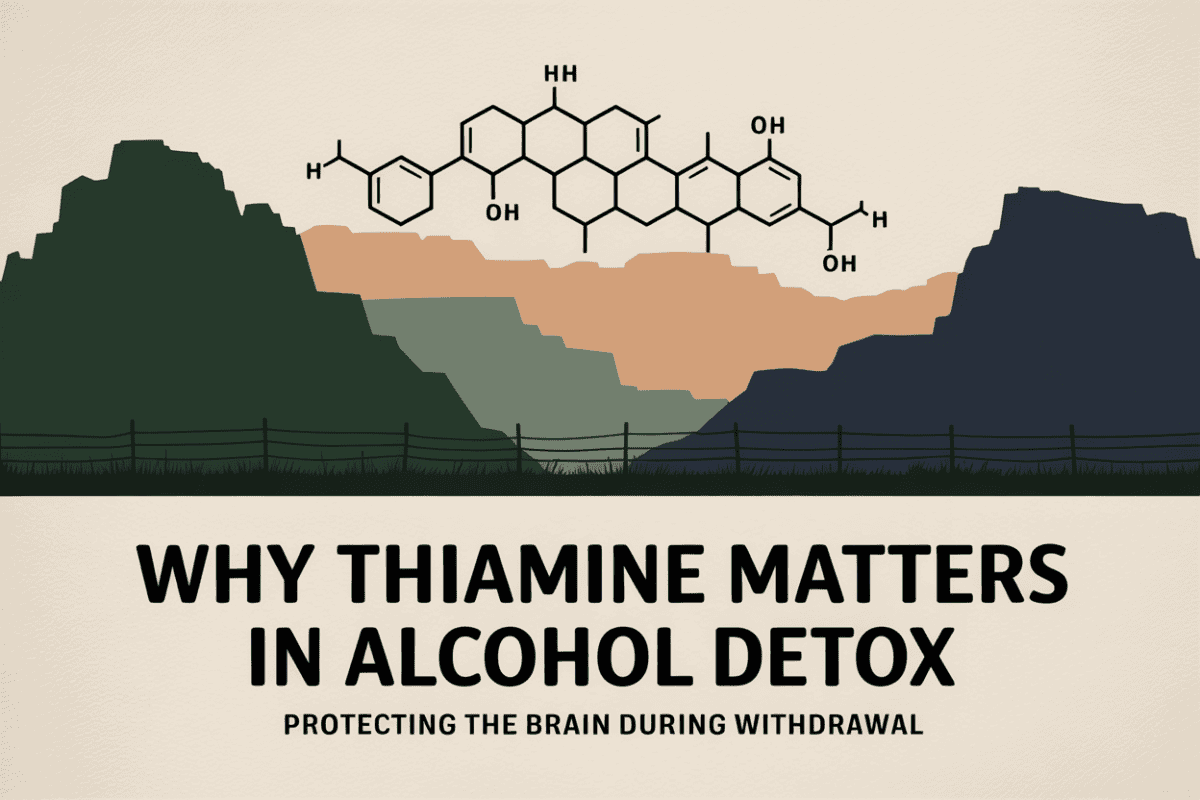
Alcohol detox is not just about stopping drinking. It is about protecting the brain while it heals. One of the most overlooked dangers of chronic alcohol use is severe vitamin depletion, especially thiamine (Vitamin B1) deficiency. Without proper medical intervention, this deficiency can lead to permanent neurological damage. That is why vitamin replenishment is not […]

20
Feb
Feb
Early sobriety is often described as emotionally overwhelming. Feelings arrive without warning. Anger spikes. Grief surfaces. Anxiety floods the body. Many people assume something is wrong with them because emotions feel stronger than expected. In reality, this intensity is predictable. In Colorado and across the Denver Metro area, detox admissions consistently reveal the same pattern. […]
Addiction, alcoholism, health and wellness, Treatment
Nutrition in Early Recovery: Healing the Gut–Brain Connection

17
Jan
Jan
When people think about detox, they often focus on withdrawal symptoms alone. What is frequently overlooked is the state of the body after prolonged substance use. Many individuals arrive at detox nutritionally depleted, dehydrated, and physiologically dysregulated. Without addressing this foundation, even the best therapy and programming struggle to take hold. In early recovery, nutrition […]

17
Jan
Jan
Delirium Tremens, commonly referred to as DTs, is the most severe and dangerous form of alcohol withdrawal. While relatively uncommon, DTs can be life-threatening without medical intervention. Understanding the signs, timeline, and safety considerations surrounding DTs helps families and providers recognize why alcohol withdrawal should never be underestimated. In Colorado and the Denver Metro area, […]
10
Jan
Jan
For individuals dependent on alcohol, the first 72 hours after stopping drinking are the most medically volatile. This window determines whether withdrawal is managed safely or escalates into a medical emergency. It also determines whether a client stabilizes enough to engage in treatment or leaves against medical advice due to unmanaged discomfort. Understanding the alcohol […]

05
Jan
Jan
Every January, thousands of people decide to stop drinking overnight. “Dry January” is often framed as a healthy reset. For light or moderate drinkers, it may be uncomfortable but manageable. For heavy or dependent drinkers, however, abruptly stopping alcohol can be medically dangerous. In Colorado and across the Denver Metro area, emergency departments see a […]
05
Jan
Jan
Not all detox is the same. Many people assume detox simply means clearing substances from the body. They expect a short stay, symptom management, and discharge once withdrawal passes. This approach, often referred to informally as “spin-dry detox,” may reduce acute symptoms, but it often fails to address the underlying medical and neurological risks that […]
